“A confident child learns better. A dignified learner achieves more.”

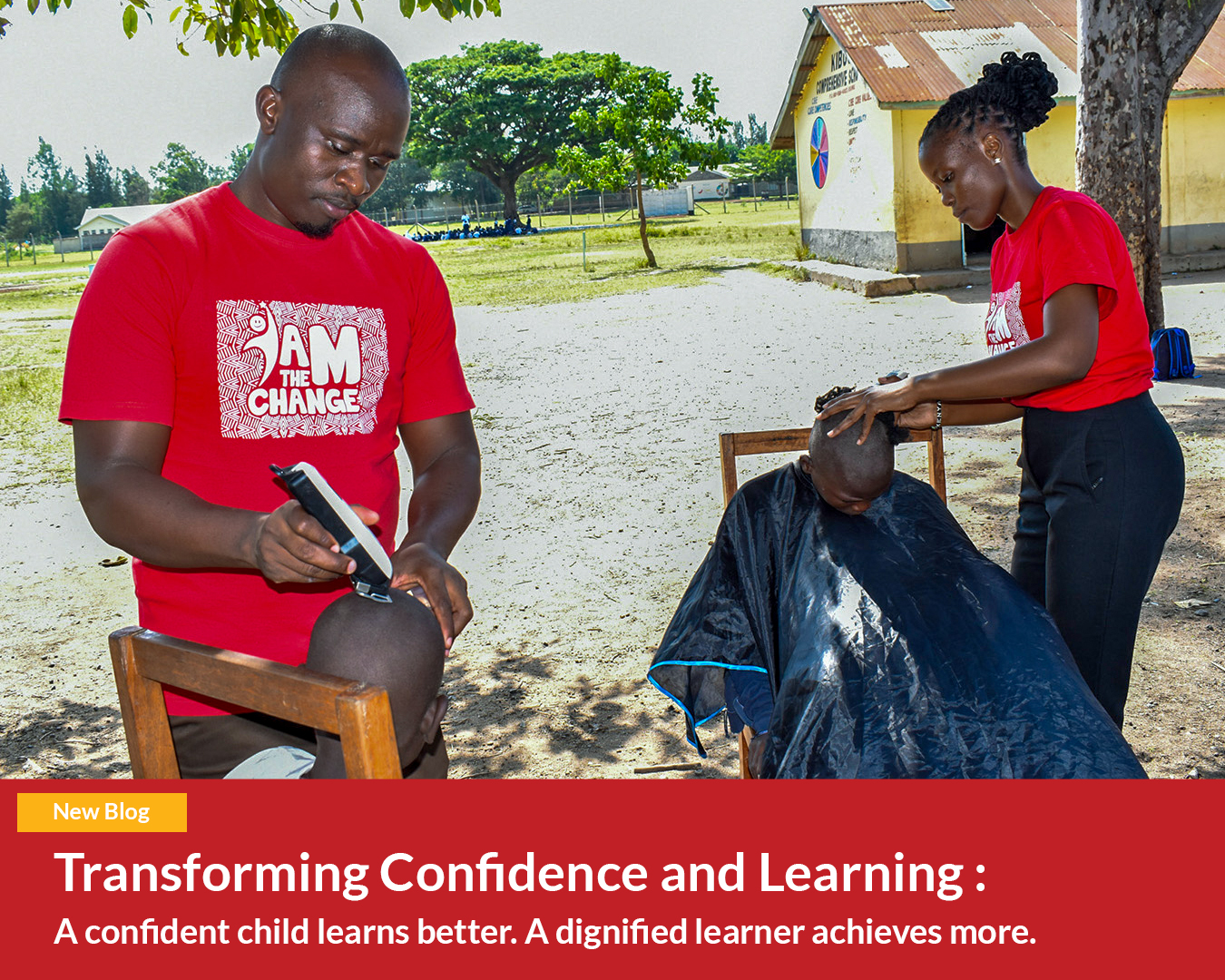
This simple truth became strikingly evident to Teach For Kenya fellows Gabriel Lumumba and Snaida Apondi during their first year at Kibos Primary School. More than 100 learners across Grades 1–9 arrived at school every Monday with overgrown hair, low personal hygiene, or, in some cases,missing school entirely due to hygiene-related stigma or illness. Many were sent home for something as simple as a haircut, a situation that disrupted learning and disproportionately affected learners from low-income backgrounds.
Research confirms what the fellows observed firsthand: poor hygiene contributes to absenteeism, reduced concentration, higher risk of infections, and lower classroom participation. At Kibos, these challenges compounded existing educational inequities. An alarming 80% of affected learners would miss school for extended periods, highlighting that academic improvement is inseparable from dignity and self-care.
Gabriel and Snaida realized that learners’ hygiene challenges were not cosmetic; they were barriers to confidence, attendance, and learning. Motivated to create change, they launched the Clean & Confident Initiative in their first year of placement.
Starting with just 30 learners in Grades 4–9, the initiative formed a student-led club to restore dignity, promote health, and create an enabling environment for learning. Gabriel and Snaida pooled personal resources to purchase the first hair clipper and organized shaving sessions twice a week at a nominal fee, while identifying learners from needy backgrounds who could receive haircuts for free. Alongside grooming, they ran weekly sessions teaching learners about personal hygiene, dental care, and daily grooming routines, embedding lessons on self-respect, confidence, and responsible self-care.
The impact has been profound. Over 40% of the school’s 1,200 learners have benefited from haircuts, while cases of students being sent home due to grooming issues have significantly decreased. Learners now enter classrooms with confidence, actively participate in discussions, and demonstrate a stronger sense of belonging. This boost in self-assurance has translated into improved attentiveness, classroom engagement, and overall academic performance.
The ripple effect extends beyond school walls: learners are transferring knowledge back to their homes through implementation of dental care, grooming routines and personal hygiene within their families and the wider community. Kibos Primary is evolving into a hub of transformation, proving that small, intentional actions can generate systemic impact.
Through their leadership and innovation, Gabriel and Snaida have shown that addressing hygiene is not an extra; it is foundational to education. When learners feel clean and confident, they are ready to learn. When they are dignified, they achieve more.
Every fellow’s journey starts with a single decision. If this story sparked something in you, it might be your turn to apply for the 2027–2028 cohort.
Leave a Reply